Best Window Treatments for Insulation & Energy Efficiency in Seattle
Written by: Armi Avila
The best window treatments for insulation and energy efficiency are those that reduce heat transfer through the glass while still supporting the way each room is used. For Seattle and Bellevue homes, insulating honeycomb shades are often the strongest option because their cellular construction helps slow heat loss in winter and reduce solar heat gain in summer. Roman shades, shutters, lined drapery, and layered window treatments can also improve comfort when selected for the window size, exposure, and level of insulation needed.
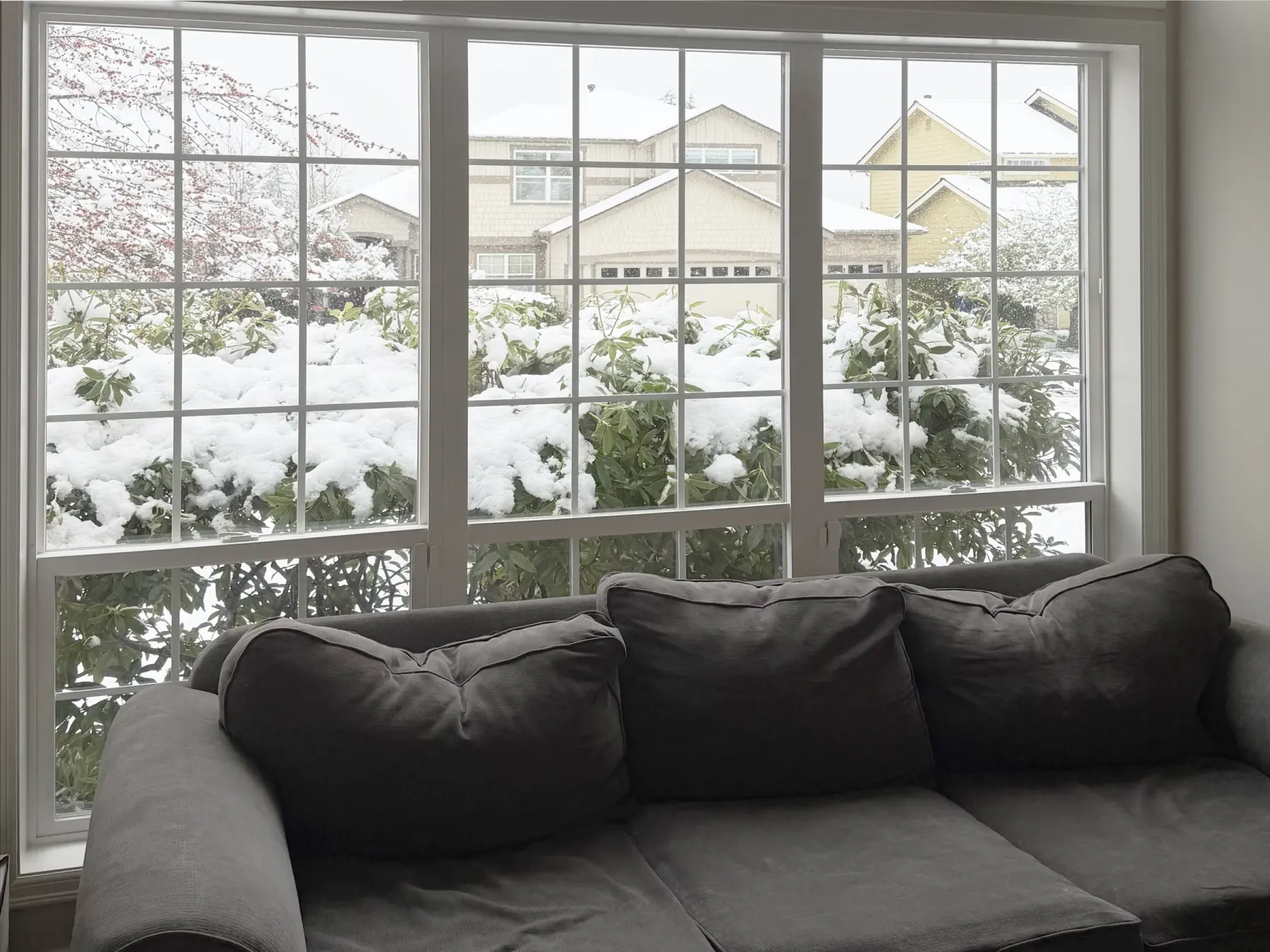
Energy-efficient window treatments can make rooms more comfortable throughout the year, especially in homes with large windows, older glass, or west- and south-facing exposures. While replacing windows is one way to improve efficiency, thoughtfully selected window coverings often provide a noticeable improvement in comfort while enhancing privacy, light control, and interior design.
In this guide, we cover:
- How Windows Affect Heat Gain and Heat Loss
- Best Window Treatments for Insulation and Energy Efficiency
- Benefits of Energy-Efficient Window Treatments
- How to Maximize Energy Efficiency with Window Treatments
- Real Project Examples
- More Tips for Energy Savings
How Windows Affect Heat Gain and Heat Loss
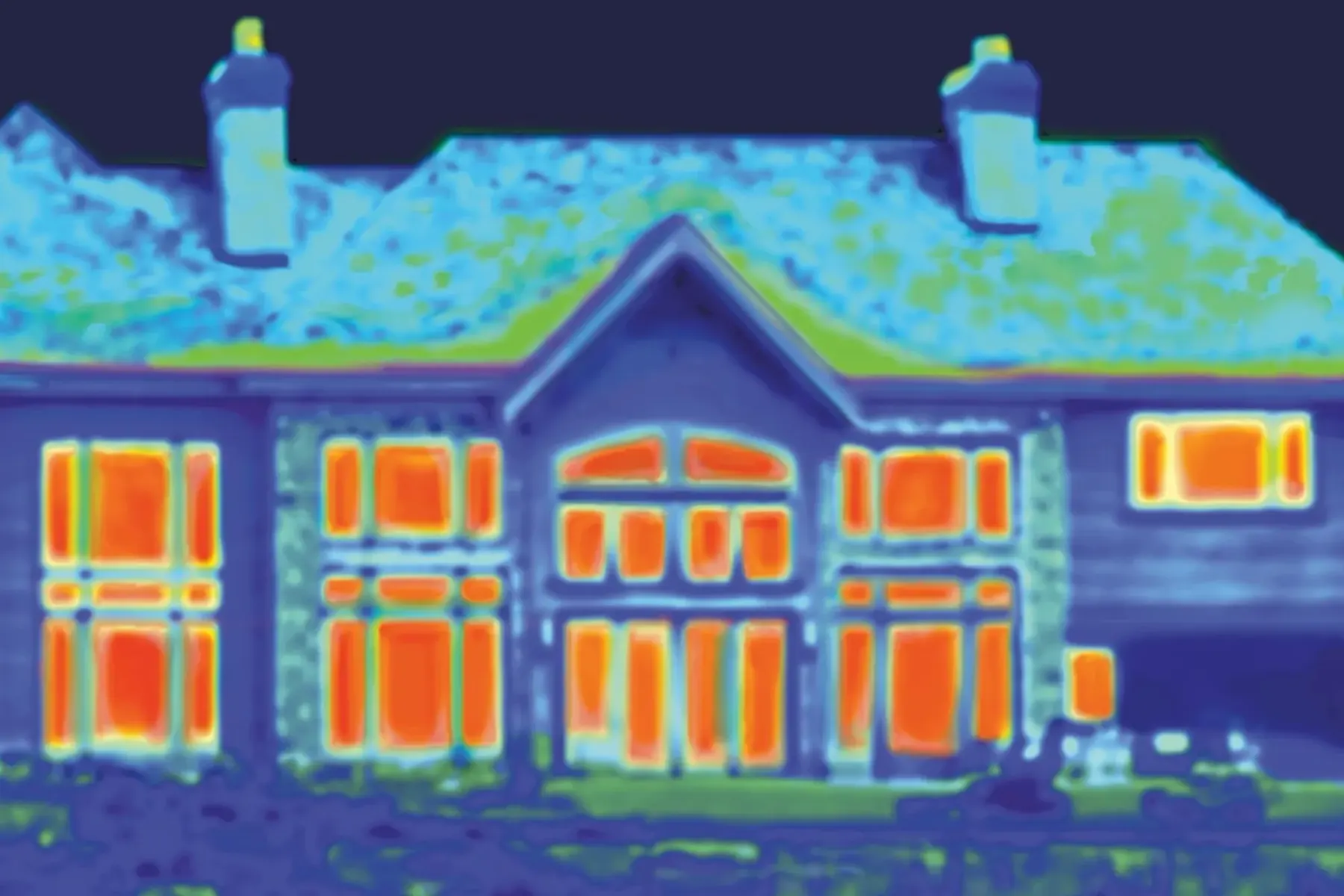
Windows are one of the largest sources of heat transfer in a home. During colder months, warm indoor air escapes through the glass, while summer sun can significantly increase indoor temperatures through solar heat gain. According to the U.S. Department of Energy, windows can account for up to 30% of residential heating and cooling energy use.
Energy-efficient window treatments create an additional insulating layer between the window and the room, helping slow heat transfer in both directions. Although they cannot replace the performance of a well-insulated wall, they can noticeably improve comfort while reducing the workload on your heating and cooling system.
Best Window Treatments for Insulation and Energy Efficiency
Not every window treatment provides the same level of insulation. The best choice depends on your home's construction, window exposure, design preferences, and how each room is used.
| Window Treatment | Insulation Level | Best For |
|---|---|---|
| Honeycomb (Cellular) Shades | Excellent | Maximum insulation, year-round comfort, bedrooms, and large windows |
| Roman Shades | Excellent | Soft fabric styling with improved insulation |
| Lined Drapery | Excellent | Layering over shades or blinds to reduce heat transfer |
| Shutters | Very Good | Long-term insulation and architectural appeal |
| Wood Blinds | Good | Traditional interiors and flexible control of sunlight and privacy |
| Roller Shades | Moderate | Modern homes and reducing solar heat gain with appropriate fabrics |
Honeycomb Shades
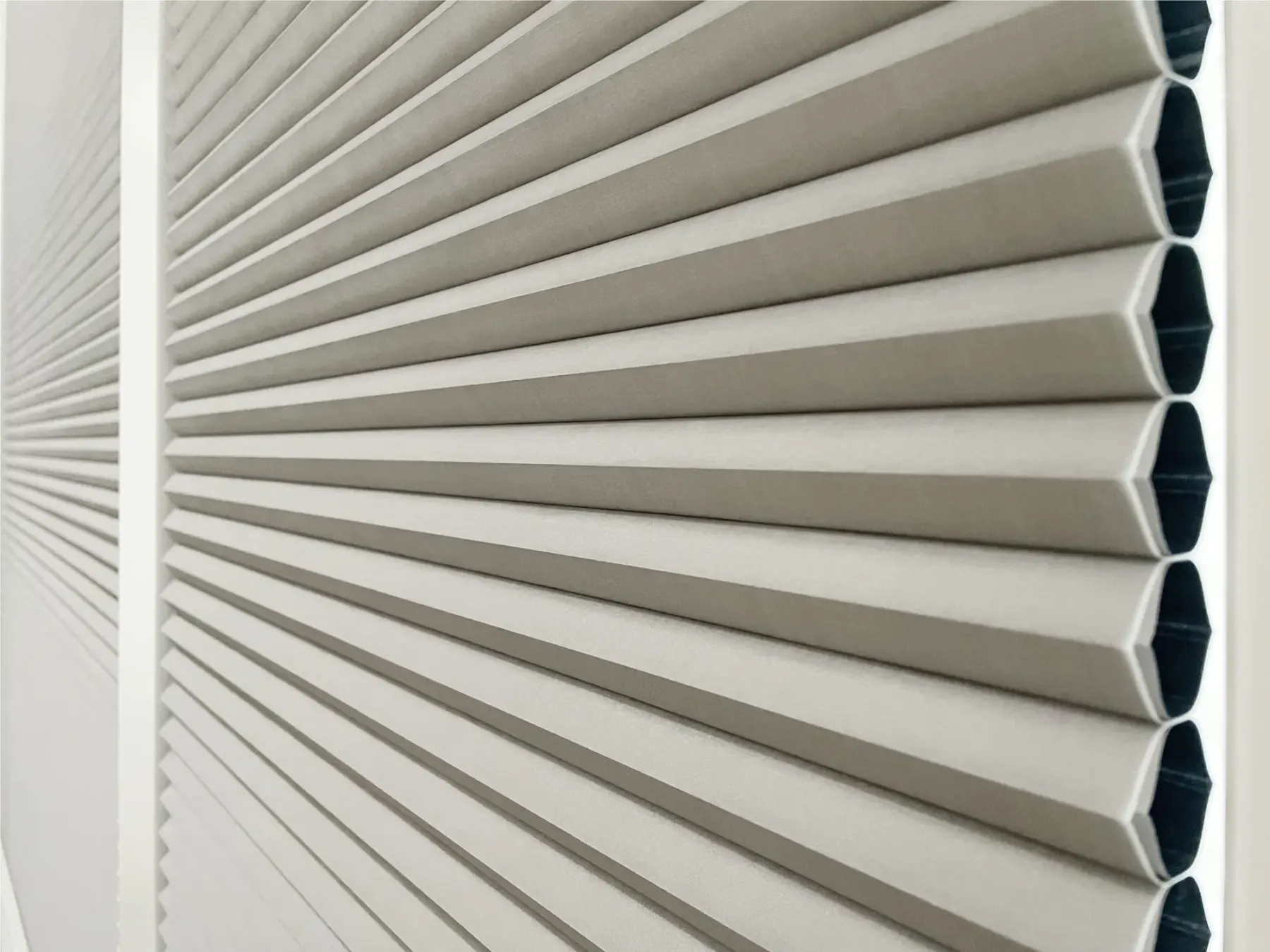
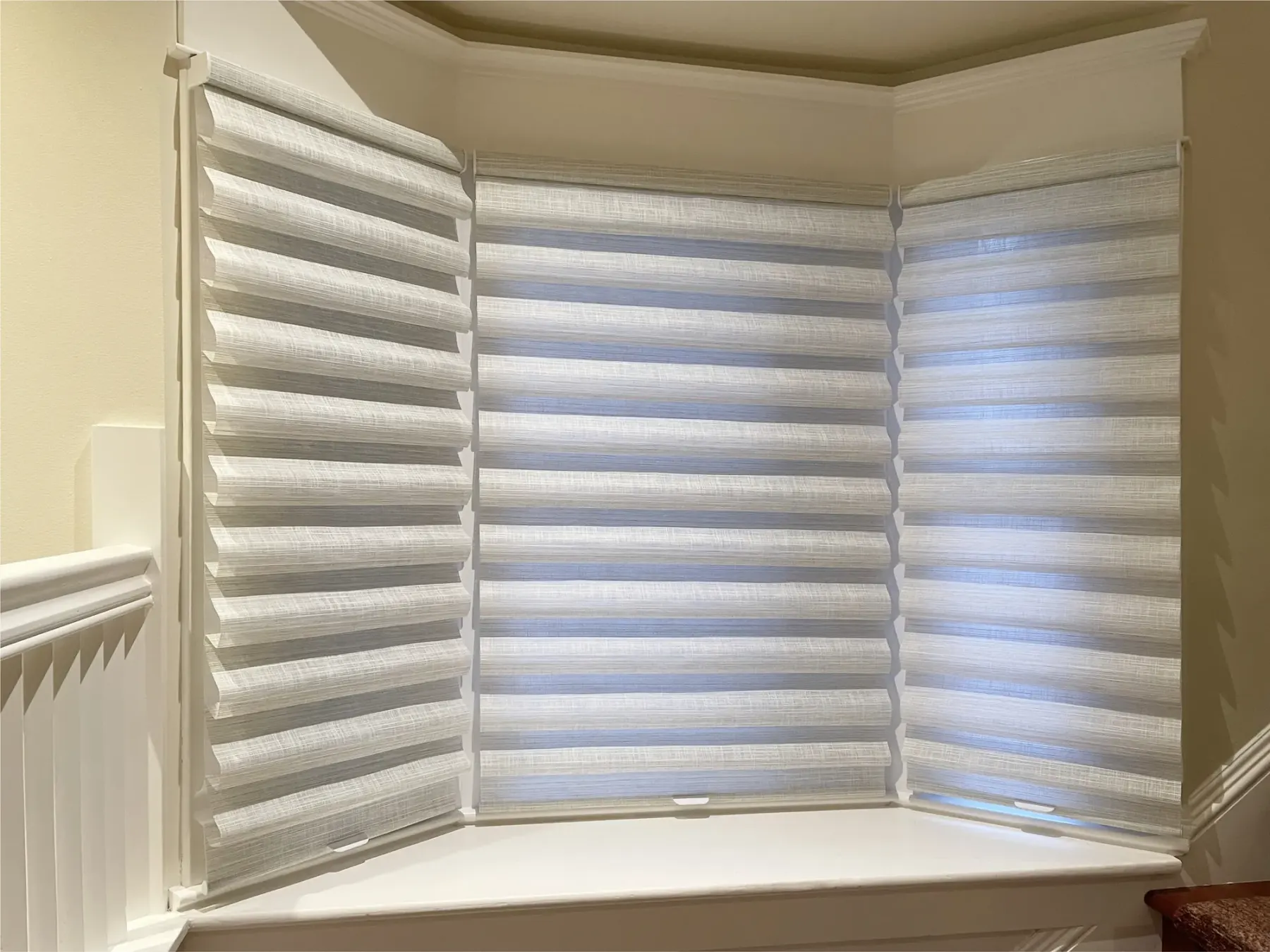
Honeycomb shades are widely regarded as the most energy-efficient window treatment because their cellular pockets trap air, creating an insulating barrier between the glass and the room. This helps reduce heat loss during winter while limiting solar heat gain during summer.
Hunter Douglas Duette® Architella® shades further improve insulation through their unique cell-within-a-cell construction, creating additional air pockets that help reduce heat transfer while maintaining a clean, modern appearance.
Roman Shades
Roman shades combine decorative fabric with layered construction, making them a good option for homeowners who want improved energy efficiency without sacrificing warmth or style. When paired with liners, they provide noticeably better insulation than a single layer of fabric alone.
Shutters
Wood and composite shutters provide a permanent insulating barrier while allowing homeowners to adjust light and privacy through movable louvers. Their solid construction also helps reduce drafts around the window opening.
Wood Blinds
Real wood blinds are naturally more insulating than composite or faux materials, making wood blinds the better choice when energy efficiency is a priority.
Roller Shades
Although roller shades generally provide less insulation than honeycomb shades, they are highly effective at reducing solar heat gain when paired with the appropriate fabric openness and opacity. Their clean appearance and minimal stack make them especially popular in contemporary homes.
Benefits of Energy-Efficient Window Treatments
Energy-efficient window coverings offer more than lower utility bills. They also help improve everyday comfort and how a home functions.
- Improved indoor comfort throughout the year
- Reduced heat loss during winter
- Reduced solar heat gain during summer
- Lower heating and cooling costs
- Better temperature consistency between rooms
- Reduced glare while maintaining natural light
- Increased privacy without sacrificing comfort
- Protection for flooring, furniture, artwork, and fabrics from excessive sunlight
How to Maximize Energy Efficiency with Window Treatments
Even the most energy-efficient window covering performs best when used strategically. These tips will help maximize energy efficiency in your windows:
Take Advantage of Natural Sunlight
During the day, when the sun shines, open your blinds or shades to allow sunlight to naturally warm your home. This passive solar heating can significantly reduce your reliance on artificial heat sources.
Close Window Coverings During the Hottest Part of the Day
When outdoor temperatures rise or direct sunlight reaches the windows, close your blinds or shades to help reduce solar heat gain. This creates a barrier at the glass and can help keep indoor spaces cooler and more comfortable.
Choose Properly Fitted Window Treatments
Ensure your blinds or shades fit snugly to the window frame to minimize drafts. This small step can make a big difference in overall energy efficiency.
Use Automation
Use automated or smart shades that can be programmed to open and close at specific times. This ensures optimal use of natural light and heat during the day while maintaining insulation at night.
Layer Window Coverings
Combine cellular shades with lined drapery for an added layer of insulation to significantly reduce heat loss.
Regular Maintenance
Regularly clean and maintain your blinds and shades to ensure they function properly. Dust and debris can affect their insulating properties.
Real Project Examples
Bellevue: Controlling Solar Heat Gain on West-Facing Windows
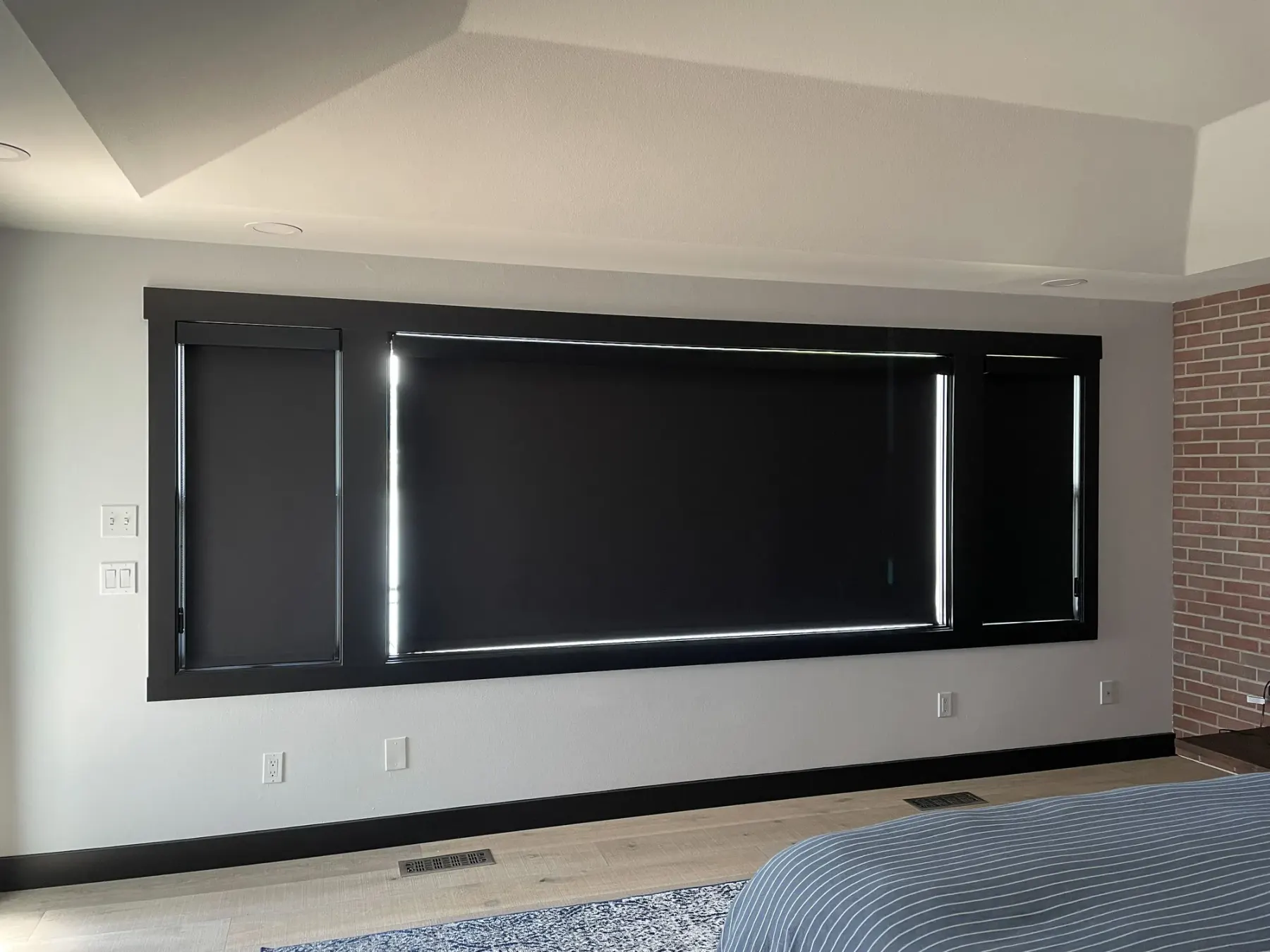
After remodeling their primary bedroom with new energy-efficient windows overlooking Lake Washington, these Bellevue homeowners still experienced significant afternoon heat from their west-facing exposure. They preferred the clean appearance of roller shades and wanted the convenience of automation. Motorized roller shades in Bellevue helped reduce solar heat gain while maintaining the modern aesthetic, keeping the room more comfortable throughout the year.
Seattle: Balancing Natural Light and Insulation
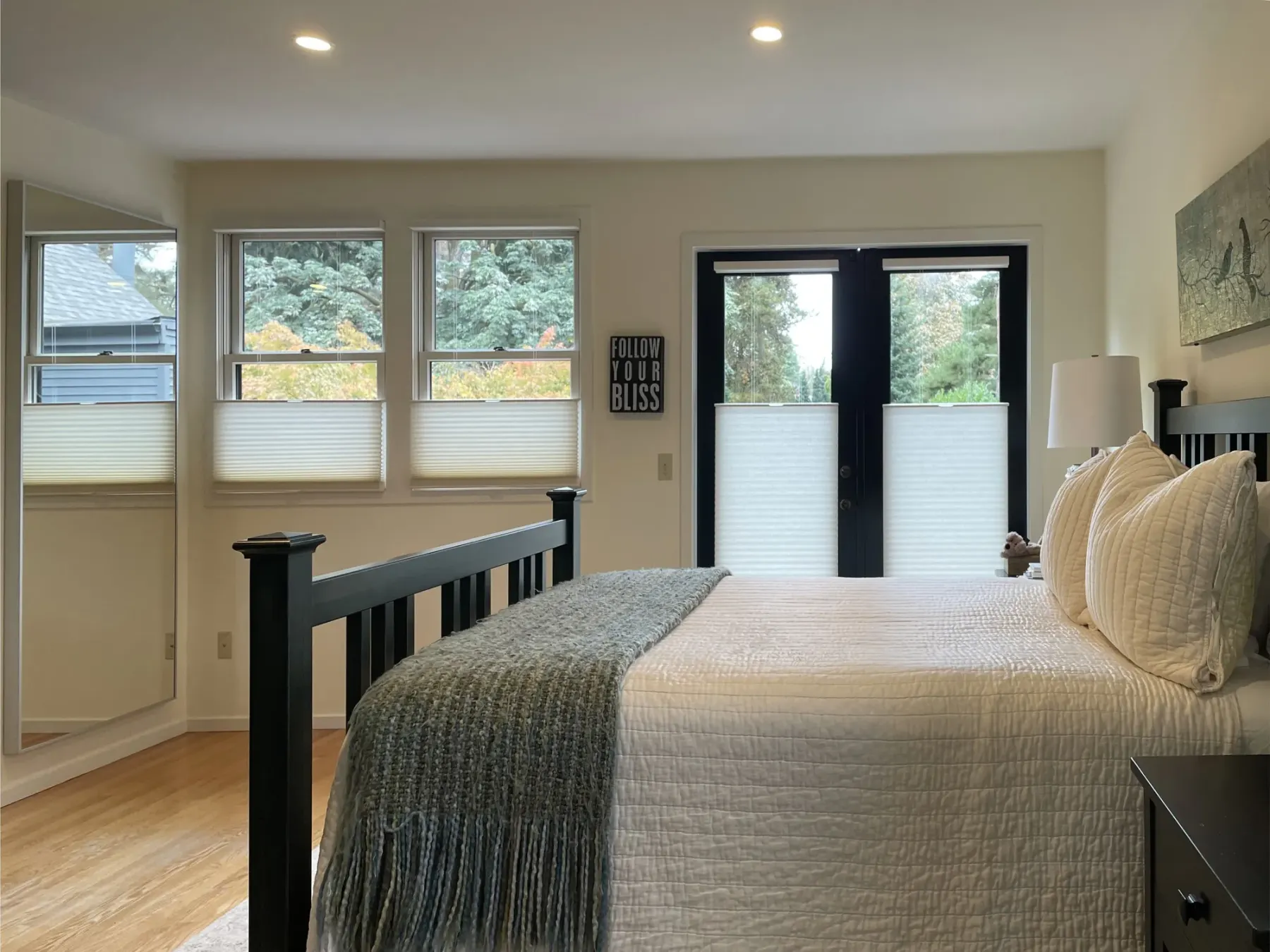
A Madison Park homeowner wanted to reduce summer heat in an upper bedroom without losing the natural light and garden views that made the room special. Semi-sheer Hunter Douglas Duette® Architella® honeycomb shades in Seattle with top-down/bottom-up operation provided improved insulation while preserving daylight, privacy, and flexibility, demonstrating that energy-efficient window treatments do not always require darkening a room.
More Tips for Energy Savings
Window coverings work best as part of an overall strategy to improve your home's energy efficiency.
Weather Stripping: Add weather stripping to the edges of your window frames in conjunction with shades to seal any remaining gaps and enhance insulation.
Consider Window Films: Applying energy-efficient window films can further reduce heat loss.
Embrace Natural Light: Take advantage of daylight whenever possible by opening window coverings during sunny days to get free solar heat.
Thermostat Settings: Combine energy-efficient window treatments with programmable thermostats and other energy-saving improvements.
Conclusion
Choosing the best window treatments for insulation and energy efficiency is about more than selecting the highest-performing product. Window size, orientation, existing glass, room function, and installation all influence the final result. A personalized consultation helps determine the right balance of insulation, natural light, privacy, and design for your home, allowing you to stay comfortable throughout the year while reducing energy consumption.
Stay warm and energy-efficient this winter with the right window treatments! If you live in Greater Seattle, Bellevue, or the Eastside, we can help! Please feel free to give us a call at 206-801-6010 or contact us for more information and get the process started.
Explore Custom Blinds, Shades, Shutters, and Automation
Every home has a unique style, story, and set of needs.
Whether the priority is design, smart-home integration, energy efficiency, privacy, room darkening, ease of operation, or long-term durability, we offer personalized recommendations from a broad selection of window treatments.
We help you explore custom blinds, shades, shutters, and automation to create window covering solutions that complement your home, address your priorities, and align with your investment range.