
Understanding ANSI/WCMA A100.1-2022 Window Covering Safety Standard
Written by: Armi Avila
Window covering safety requirements changed significantly in 2024. The ANSI/WCMA A100.1-2022 Window Covering Safety Standard took effect on June 1, 2024, expanding safety requirements for custom window coverings and further limiting accessible operating cords. The goal is to reduce the strangulation hazards that corded blinds and shades can pose to young children.
For homeowners shopping for new blinds and shades, these changes mean that cordless and other compliant operating systems are now much more widely used. Understanding the standard can help explain why many traditional corded operating options are no longer available and what to expect when selecting new window coverings.
The Importance of Window Covering Safety
Window coverings, such as blinds, shades, and draperies, can pose significant risks to young children, especially those under six years old. The primary hazard stems from the cords used in many traditional window coverings. These cords can lead to entanglement and strangulation, resulting in severe injuries or even death. According to the U.S. Consumer Product Safety Commission (CPSC), "window covering cords are one of the top 5 hidden hazards" in American homes. CPSC further concludes that "cordless window coverings are the only option to eliminate the strangulation hazard." This highlights the importance of the new safety standard and continuing efforts to raise awareness about this hidden hazard.
What is the ANSI/WCMA A100.1-2022 Standard?
The ANSI/WCMA A100.1-2022 standard is a comprehensive set of safety requirements designed to address and mitigate the risks associated with window covering products. This standard is the latest update, building upon previous versions to incorporate new research, technological advancements, and feedback from industry stakeholders. It is a game-changer for window covering safety and focuses on eliminating the hazard posed by exposed cords in window coverings, which can be a strangulation risk for young children.
Why is this standard important?
According to the WCMA, strangulation from window covering cords is a leading cause of accidental deaths among young children. This new standard is a critical step towards preventing these tragedies and ensuring the safety of children in our homes.
Key Elements of the ANSI/WCMA A100.1-2022 Standard
Cordless Designs:
The standard emphasizes the use of cordless window coverings or those with inaccessible cords. Cordless designs eliminate the risk of cord entanglement, making homes safer for children, and are also a common priority in pet-friendly window coverings.
Safe By Design:
Products must be inherently safe, meaning they do not pose a risk of strangulation. This includes the use of features such as tension devices and cord shrouds that keep cords out of reach.
Warning Labels and Instructions:
Clear and prominent warning labels are required on products, packaging, and installation instructions. These labels must inform consumers about potential risks and proper usage to ensure safety.
Testing Requirements:
Manufacturers must meet the testing and performance requirements established by the standard to demonstrate that applicable safety features comply with its requirements.
Custom Products:
Made-to-order custom window coverings are also covered by the standard, with requirements designed to limit accessible operating cords and other cord-related hazards.
Impact on Manufacturers
For manufacturers, the ANSI/WCMA A100.1-2022 standard represents both a challenge and an opportunity. While it requires investment in safer designs and rigorous testing, it also opens up a market for safer, innovative products. Consumers are increasingly aware of the importance of safety in home products, and compliance with this standard can be a significant selling point.
As of June 1, 2024, the ANSI/WCMA A100.1-2022 standard expanded safety requirements for made-to-order window coverings, while stock window coverings continued to be required to be cordless or have inaccessible cords. This applies to a wide range of products, including cellular shades, horizontal blinds (wood blinds, faux wood blinds, metal blinds), roller shades, roman shades, woven shades, sheer shades, panel tracks, and vertical blinds.
For custom window coverings where continuous cord loops are still needed for operation, the standard mandates that they come with permanently attached enhanced tension devices. These devices help to immobilize the cords when not in use, significantly reducing the strangulation risk.
What does this mean for consumers?
For consumers, the standard provides greater assurance that newly manufactured window coverings must meet updated requirements intended to reduce cord-related hazards.
What can you do?
- If you're purchasing new window coverings, look for cordless options that comply with the ANSI/WCMA A100.1-2022 standard.
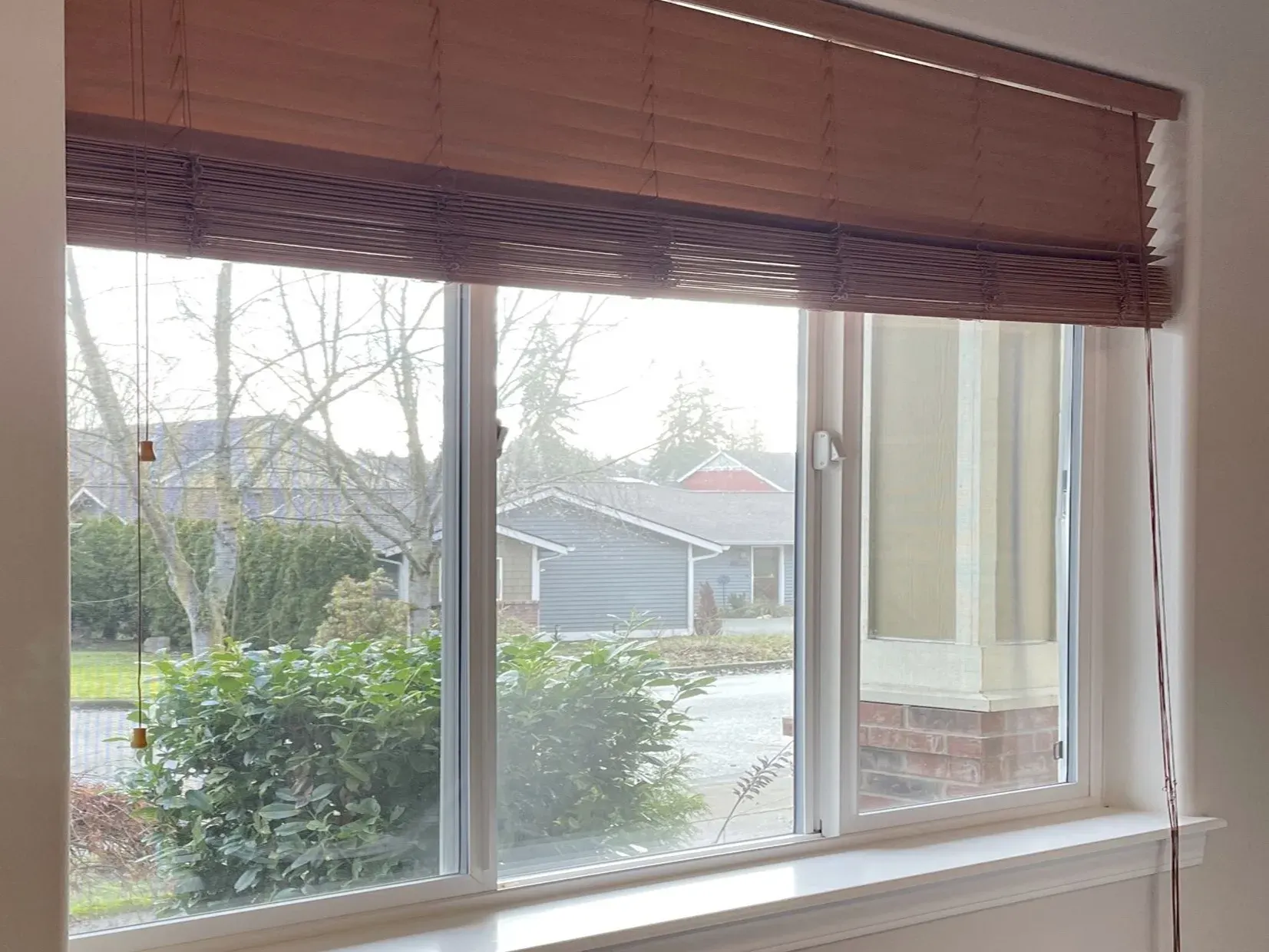
- For existing corded window coverings, check if they have built-in safety features like breakaway tassels or inner cord designs.
- Consider retrofitting older window coverings with child safety devices like cord cleats. The Window Covering Safety Council (WCSC) provides consumers with free window covering cord retrofit kits via an online order form, emailing info@windowcoverings.org, or calling their toll-free number at 1-800-506-4636.
- Move furniture, especially cribs and changing tables, away from windows and window coverings, preferably to a different wall.
- Consider replacing your existing corded blinds and shades with cordless or motorized window coverings.
By following these steps and staying informed about window covering safety, we can create a safer environment for our children and enjoy the benefits of window coverings with peace of mind.
Conclusion
The ANSI/WCMA A100.1-2022 Window Covering Safety Standard has changed the way many new window coverings are designed and operated. The updated requirements eliminated free-hanging operating cords and tilt cords on made-to-order custom products while establishing additional requirements for other permitted operating systems.
Since the June 1, 2024 effective date, the brands we carry have discontinued manufacturing window coverings with traditional pull cords, cord locks, and cord tilts. Homeowners now have a broad range of cordless, motorized, and other compliant options that provide light control, privacy, and functionality while meeting current window covering safety requirements.
Sources and References
• U.S. Consumer Product Safety Commission: CPSC website
• Window Covering Manufacturers Association: WCMA website
• Window Covering Manufacturers Association on: ANSI/WCMA A100.1-2022
• Window Covering Safety Council: About WCSC
• Window Covering Safety Council on: ANSI/WCMA A100.1-2022
• Window Covering Industry: Window Covering Safety Council: Best for Kids™ Certification Program
• Hunter Douglas on: Child Safety
• Alta Window Fashions on: Child Safe Blinds and Shades
• Graber on: Window Cord Safety
Explore Custom Blinds, Shades, Shutters, and Automation
Every home has a unique style, story, and set of needs.
Whether the priority is design, smart-home integration, energy efficiency, privacy, room darkening, ease of operation, or long-term durability, we offer personalized recommendations from a broad selection of window treatments.
We help you explore custom blinds, shades, shutters, and automation to create window covering solutions that complement your home, address your priorities, and align with your investment range.